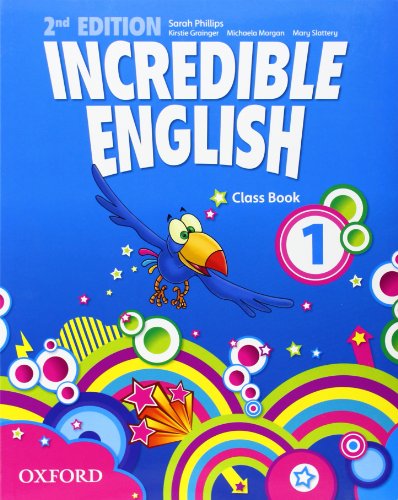
 Coursebook: Incredible English 1.
Unit 1: Hello, Mr Fixy!
Context and topics: Contextos de la vida cotidiana y escolar/Mi escuela y Mi familia.
I chose this unit with this context, because the activities are questions personal that also serve you for life in school and in everyday life.
Unit 2: The school show.
Context and topics: Contextos de la vida cotidiana y escolar/Mi familia y Mi hogar.
I chose this unit with this context, because the guys learn the family members through questions such as who is this, also through images of people learn to ask who they are. kids also can provide information about the members of the family.
Unit 3: The Pic Nic.
Context and topics: Contextos de la vida cotidiana y escolar/Mi familia y Mis amigos.
I chose this unit with this context, because the boys learn to describe belongings through food and drinks, also learn how to use the appropriate language with his friends request, thanks and apologies.
Unit 4: The toy cupboard.
Context and topics: Contextos de contenidos escolares/El espacio.
I chose this unit with this context, because the boys learn to give information about the location of toys in a space such as the House, also learn specific the questions as for example where is my, it is here.
Unit 5: Puppets.
Context and topics: Contextos de contenidos escolares/Las actividades humanas.
I chose this unit with this context, because the boys learn to name and describe the parts of the body through puppets and with questions as it is got red hair, it is got long hair.
Unit 6: At the farm.
Context and topics: Contextos de contenidos escolares/Los seres vivos.
I chose this unit with this context, because the boys learn to talk about likes and dislikes through animals and with questions as i like / i don´t like / do you like.
Unit 7: At the park.
Context and topics: Contextos de contenidos escolares/Los seres vivos.
I chose this unit with this context, because the boys learn to talk about outdoor activities with actions of them and animals. for example i can/i can´t / actions (run, jump).
Unit 8: Clothes.
Context and topics: Contextos de contenidos escolares/Las actividades humanas.
I chose this unit with this context, because the boys learn to describe clothing used with items like t-shirts, jeans and with questions such as for example i´m wearing.
Unit 9: House and home.
Context and topics: Contextos de contenidos escolares/La organización social.
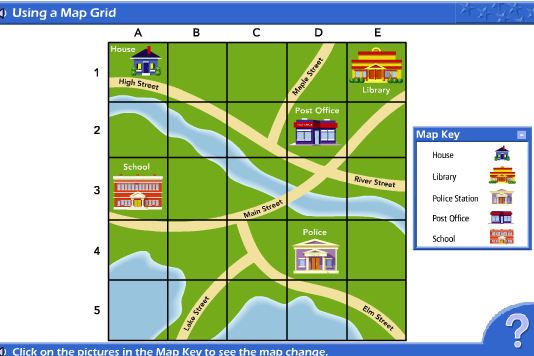
I chose this unit with this context, because the guys learn geographic coordinates and the places of the town, through questions such as for example where´s/where is it in map 1. images are also used with maps of a town with different parts of the town as such house/park/cinema; etc.
 Coursebook: Incredible English 2
Grade: 4th
Unit 1 - New friends
Context and topic:
Contextos de la vida cotidiana y escolar - Mis amigos/Mi escuela
I match this unit with this context and topics because it is about friends. The unit teaches to the children how to name and describe their friends.
Unit 2 - The treehouse
Context and topics:
Contextos de la vida cotidiana y escolar- Mi día a día. Contextos de contenidos escolares- Actividades humanas
I match this unit with this two contexts and topics because it describes activities done by children like for example naming different objects in the treehouse in a regular day.
Unit 3 - Come and play
Context and topics:
Contexto de la vida cotidiana y escolar - Yo/Mis amigos/Mi día a día
I match this unit with this context and topic because it describes a day playing outside with friends.
Unit 4 - At the wildlife park
Context and topics:
Contextos de contenidos escolares - Los seres vivos
I match this unit with this context and topic because it describes a day in a wildlife park observing different kinds of animals.
Unit 5 - At the shop
Context and topics:
Contextos de contenidos escolares - Las actividades humanas
I match this unit with this context and topics because it describes a day in a shop. Children are buying things and learning about how a bunisess works.
Unit 6 - Lunchtime
Context and topics:
Contextos de la vida cotidiana y escolar - Yo/Mi día a día/Mis amigos
I match this unit with this context and topics because it describes a tipical lunch with friends. It teaches the children about different types of foods.
Unit 7 - At the fair
Context and topics:
Contextos de la vida cotidiana y escolar - Mi día a día
I match this unit with this context and topic because it describes a day in the fair for the children. They learn about different games and how things work there.
Unit 8 - At home
Context and topics:
Contextos de la vida cotidiana y escolar - Yo/Mi familia y hogar/Mi día a día
I match this unit with this context and topics because it talks about houses. Children learn different things about their homes and how to describe different places there.
Unit 9 - At the pool
Context and topics:
Contextos de la vida cotidiana y escolar - Yo/Mi día a día/Mis amigos
I match this unit with this context and topics because it talks about a regular summer day in the pool with friends.
 Coursebook:
 Incredible English 3
Grade: 5
Unit 1 - Hello, kids!
Context and topic:
Contextos de la vida cotidiana y escolar / Mi dia a dia
I match this unit with this context because the activities given on it helps the child to know how to do common tasks everyday like Tell the time, Ask for objects and food and how to introduce themselves.
Unit 2 - Saturday morning
Context and topic:
Contextos de contenidos escolares / Las actividades humanas
This unit shows activities of writing and description of some objects which are used in sports and manual tasks and also teaches the human feelings, clothes and colours.
Unit 3 - Camping
Context and topic:
Contextos de contenidos escolares / Yo
In this unit children learn how to write about themselves, describe the things they have, their abilities and what they like to do.
Unit 4 - Looking at animals
Context and topic:
Contextos de contenidos escolares / Los seres vivos
In this unit The animals are the protagonist. The Students has to classify animals into different categories, listen to speeches in order to paint a draw with the right colour and also they learn the characteristics of some animals like Insects, etc
Unit 5 - At the supermarket
Context and topic:
Contextos de contenidos escolares / Mi dia a dia
I chose this context to match with this unit because the children learn about the price of things at a supermarket and also about food.
Unit 6 - Our town
Context and topic:
Contextos de la vida cotidiana y escolar / Mi ciudad
In this unit the students learn to say the position of important places in a town and describe objects in images.
Unit 7 - At the sports centre
Context and topic:
Contextos de contenidos escolares / Las actividades humanas
This unit presents a list of sports that are practised at a sport centre, the students has to read and understand the information given in order to answer some questions, also they learn more basics maths.
Unit 8 - Uncle Bill
Context and topic:
Contextos de la vida cotidiana y escolar / Mis amigos
This unit shows a couple of activities to read, write and listen about our friends, where they are from, what they like to do, etc.
Unit 9 - The circus
Context and topic:
Contextos de contenidos escolares / Las actividades humanas
In this unit the focus is on things that acrobats and clowns do at a circus, so in the activities the child has to match pictures with actions like a Cartwheel, a somersault, etc. Write the parts of the body and recognise information in posters.
 Coursebook:
 Incredible English 4
Grade: 6th
Unit 1 - Playing outdoors
Context and topic: Contextos de la vida cotidiana / Mi día a día / Actividades humanas / Los cambios de la naturaleza
I match this unit with those contexts because the activities given are all related to doing sports and different activities outside; such as football, go camping, tennis, surfing, and more. Also, as the unit refers to everything related to being outdoors, it is included the various kinds of weather too (rainy, sunny, cloudy, etc.)
Unit 2- Art
Context and topic: Actividades humanas / Mi pais / yo
I match this unit with those contexts because the unit is all about different types of art (paintings, music, sculptures, etc.) and the differences from one country to another. It also has vocabulary to express the child´s own abilities (I can sing/ I know how to play the piano)
Unit 3 - Health
Context and topic: Yo / Mi día a día / Actividades humanas
I match this unit with those contexts because it talks about what it takes to have a healthy life and as well as vocabulary about different pains one may have, such as headaches, getting sick, feeliong dizzy, etc. It also teach the students some methods to know whether you are healthy or not, and names healthy aliments (fruits and vegetables in general).
Unit 4 - On the farm
Context and topic: Los seres vivos/Actividades humanas/Mi país
I match this unit with those contexts because, as the unit is all farm related, there is planty of vocabulary regarding animals (farm animals, such as cows, horses, chickens, etc,), plants (vegetables such as potatoes, carrots, letucce, pumpkins) and people (the farmer, for example), and what kind of products does farms provide. I included "Mi pais" because teachers can ask about the diferent type of crops in the farms all over the country.
Unit 5 - Animal life
Context and topic: Los seres vivos/Mi país
I match this unit with those contexts because in this unit students will learn about different types of animals that come from different places and have special characteristics (Lions, jiraffes, rhynos, zebras, crocodiles), and even maybe from their own country.
Unit 6 - Safety
Context and topic: Mi día a día/ Mi barrio/La organización social
I match this unit with those contexts because it focuses on the rules that people must follow within a society (respect the traffic lights, use helmet if you are riding a motorbike, know what the traffic sings mean, etc.) All that knowledge will be very usefull for the students who will be constantly dealing with rules outside their houses. Also, it says what to do and not to do in order to be a better cityzen.
Unit 7 - At school
Context and topic: Mi escuela / Yo
I match this unit with those contexts because this unit is all about school vocabulary (chalk, classroom, teacher, backpack, pencil, etc.) , their subjects (Maths, Art, History, etc.), their pros and cons, how to express the students preferences in one subject or their lacks in another, and whether the students have a favourite one or not.
Unit 8 - Underwater life
Context and topic: Los seres vivos / Mi país
I match this unit with those contexts because it is focused on the animals which live underwater (Sharks, octopuses, fish, whales, etc.) Teachers can specify which of all the underwater fauna are the most commo in the countrym and in which part are located as well. In the unit it will also say parts of the landscape, such as rivers, lakes, mountains, the sea and the coast.
Unit 9 - Technology
Context and topic: Mi día a día / Mi familia y mi hogar
I match this unit with those contexts because the vocabulary given in the unit is well known by children nowadays. For example, Tvs are very common in every children´s house, as well as computers, cellphones, cameras, and more. Students will easily relate with the subject, as they practically are surrounded by technology, in their house, at school, and everywhere.
There is no information of what resources the teachers are using in 1st and 2nd because they write their own activities.
Authors: Juan Cruz Villegas, Emilio Delvilano, Angel Berretta, Nicolas Latanzi